

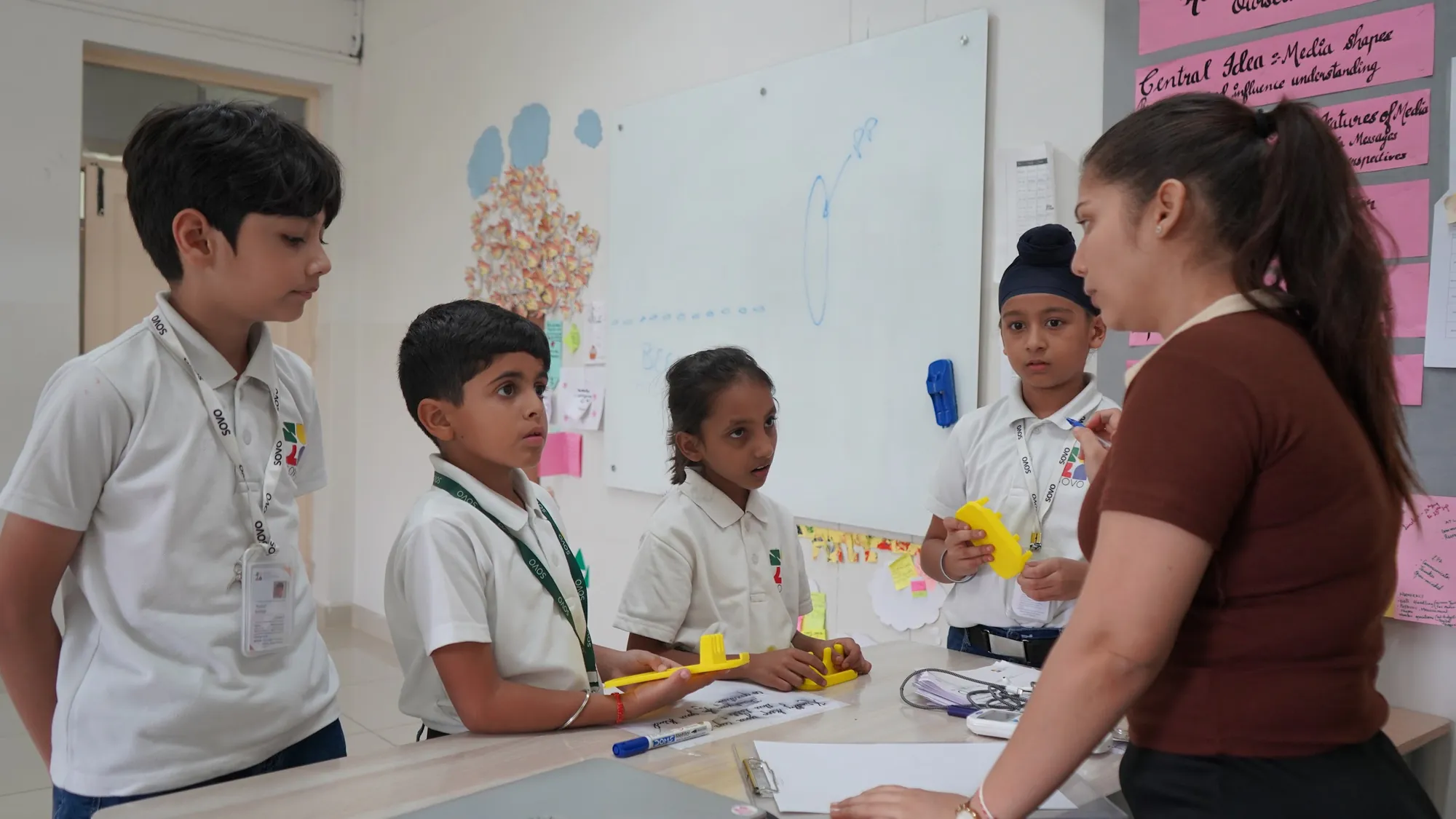
Sports & Movement
Lawn Tennis · Skating · Football · Cricket · Table Tennis · Pickleball · Gymnastics
Every sport is coached by a specialist, accomplished players of that discipline.
Here’s exactly how we do that.
Fifth Gear Friday.
Learning moves beyond the classroom so children understand where ideas matter in the real world.
How learning works
Explore our approachThe International Baccalaureate Primary Years Programme is followed by over 5,500 schools in more than 160 countries, a curriculum built around big, connected ideas children can actually inquire into.
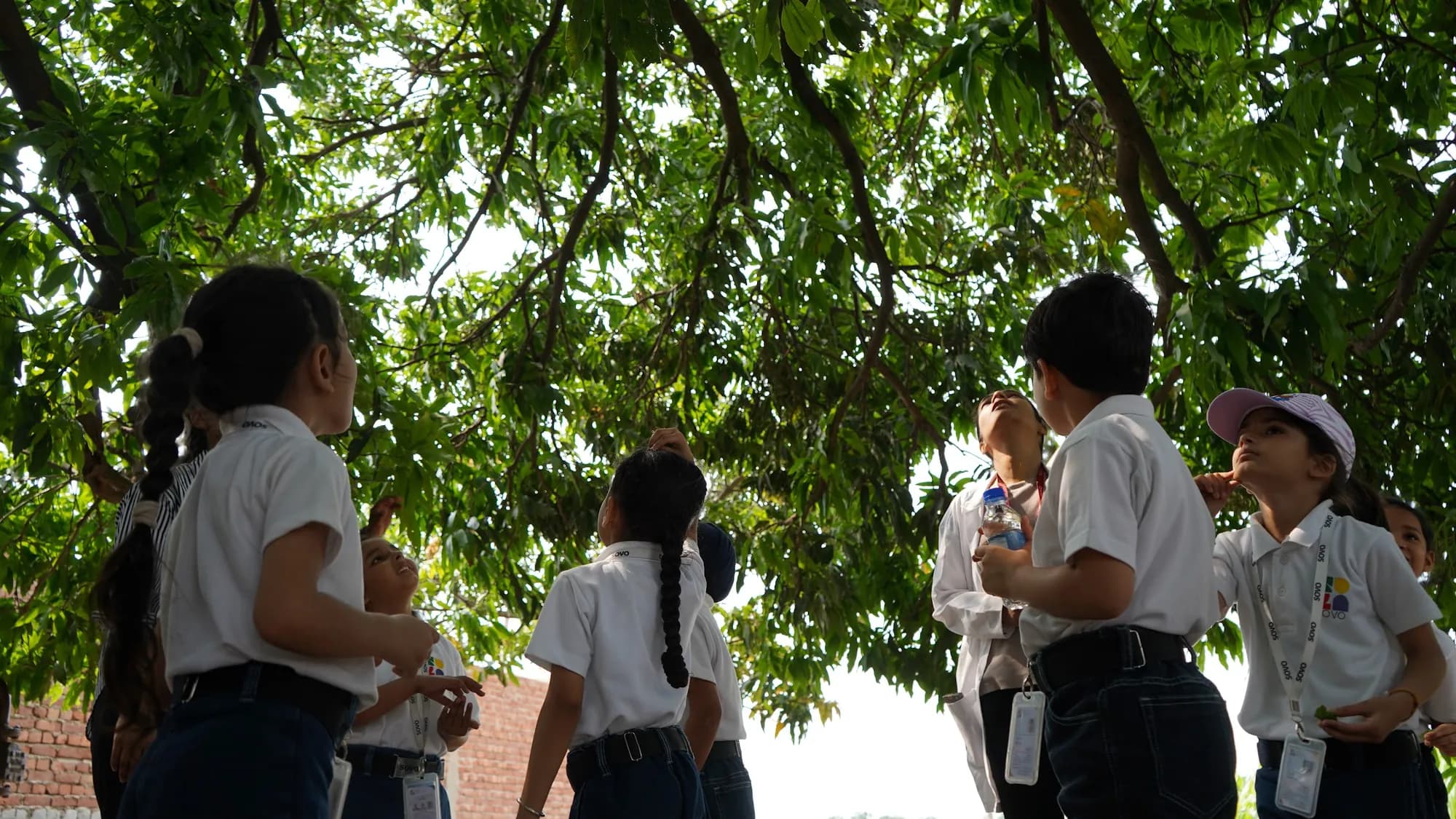
Children begin with questions, observations and ideas rather than simply being given answers.
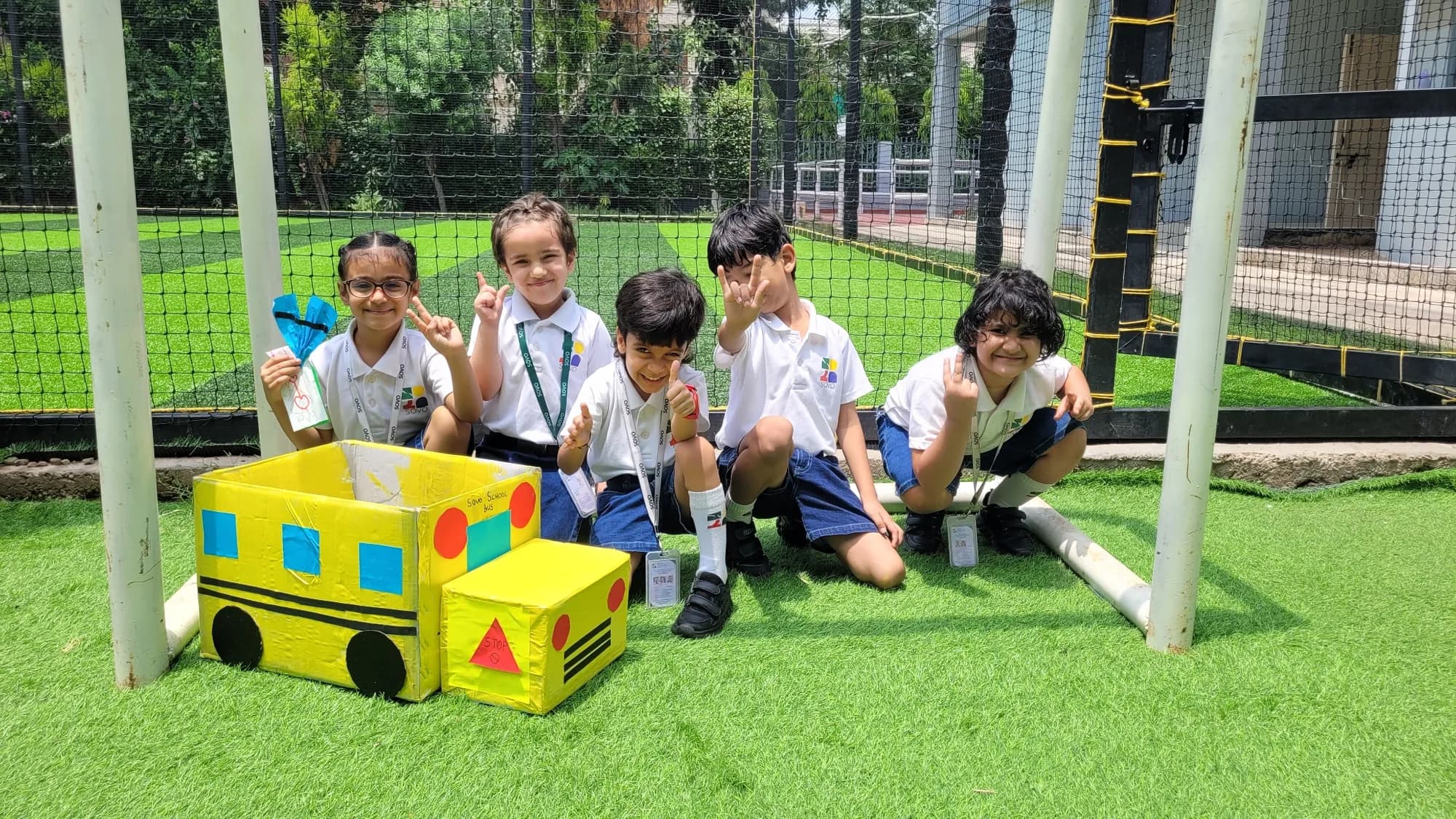
Math, language, science and social studies connect around one central inquiry rather than being treated as isolated subjects.
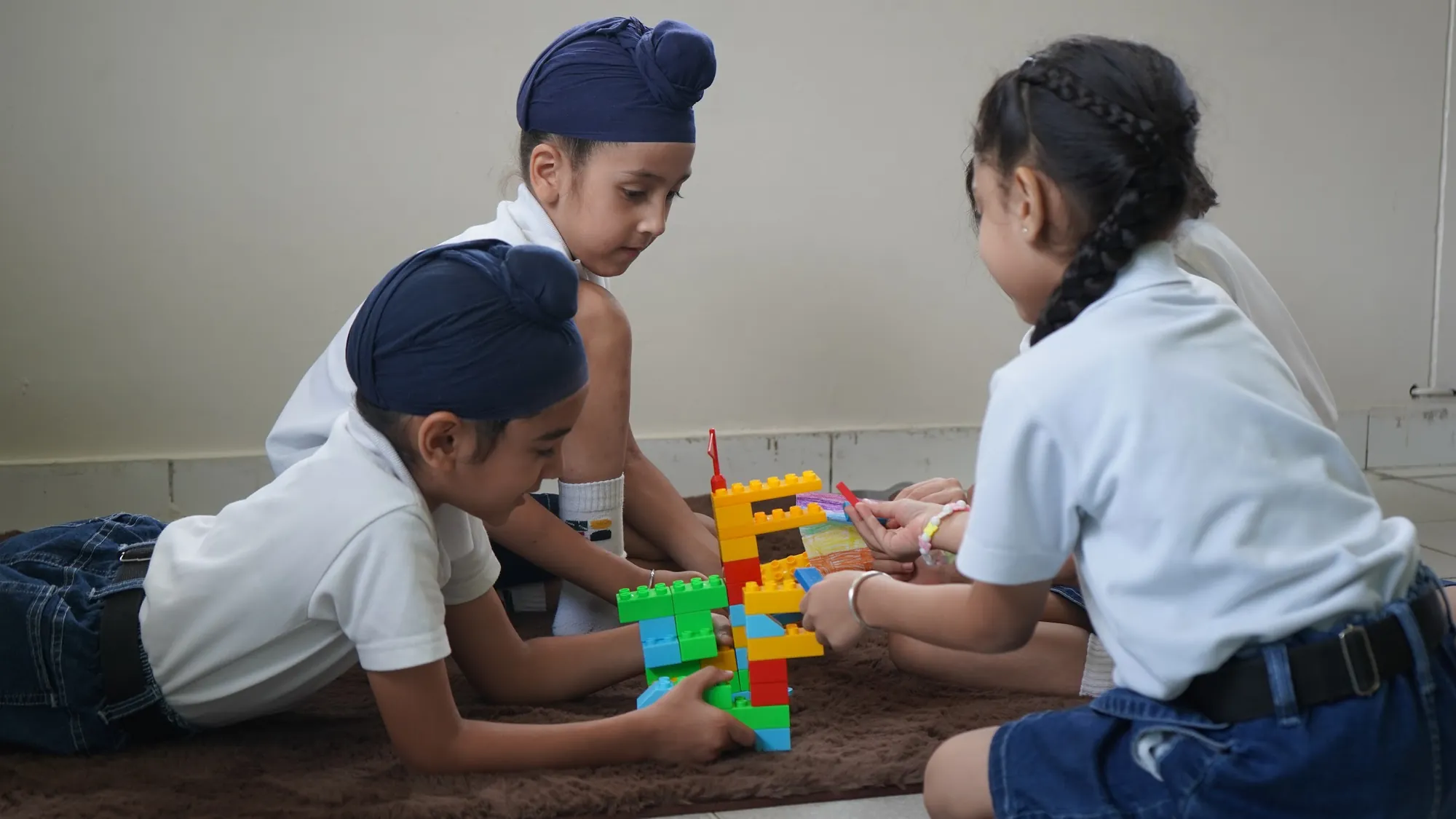
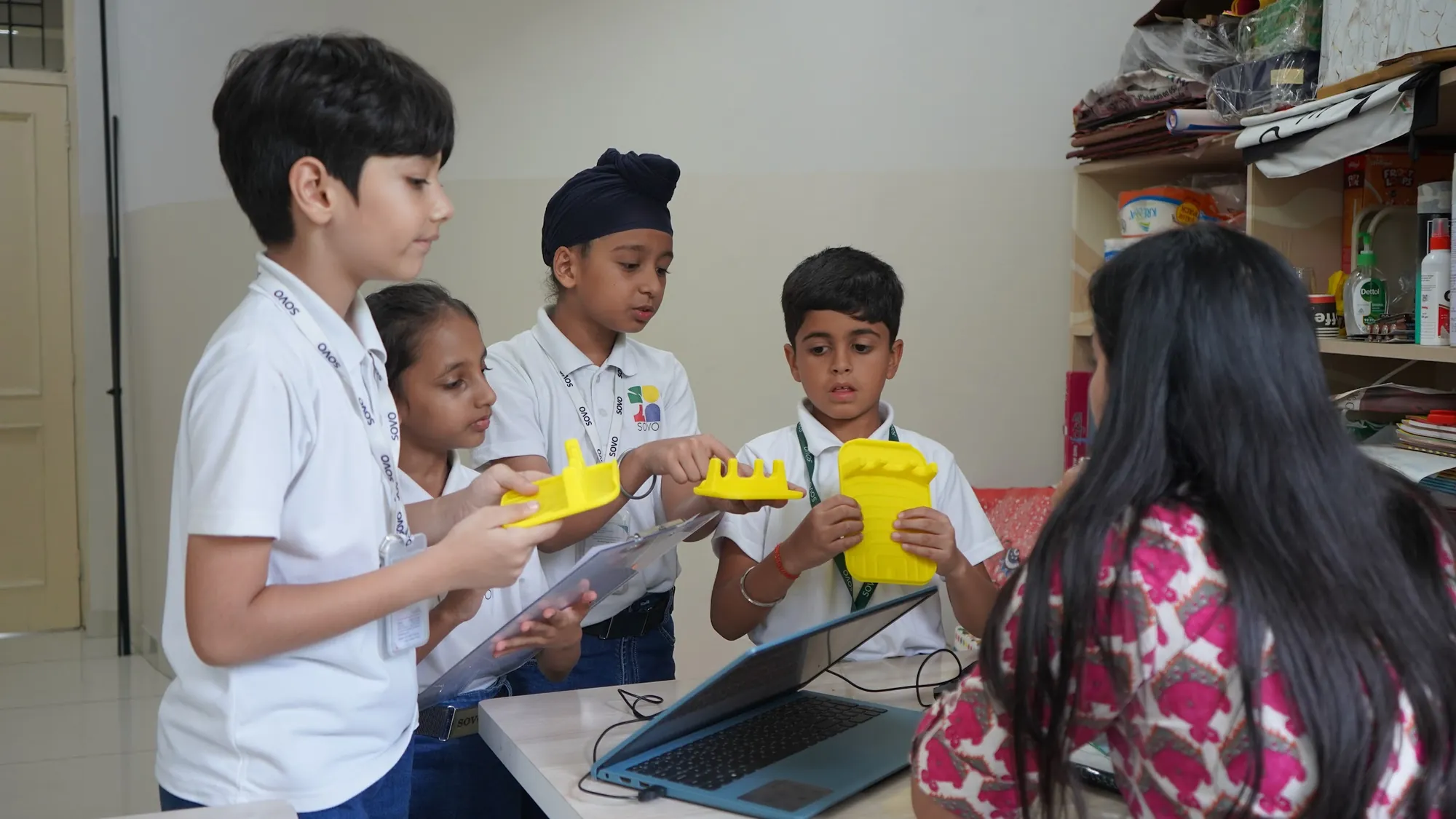
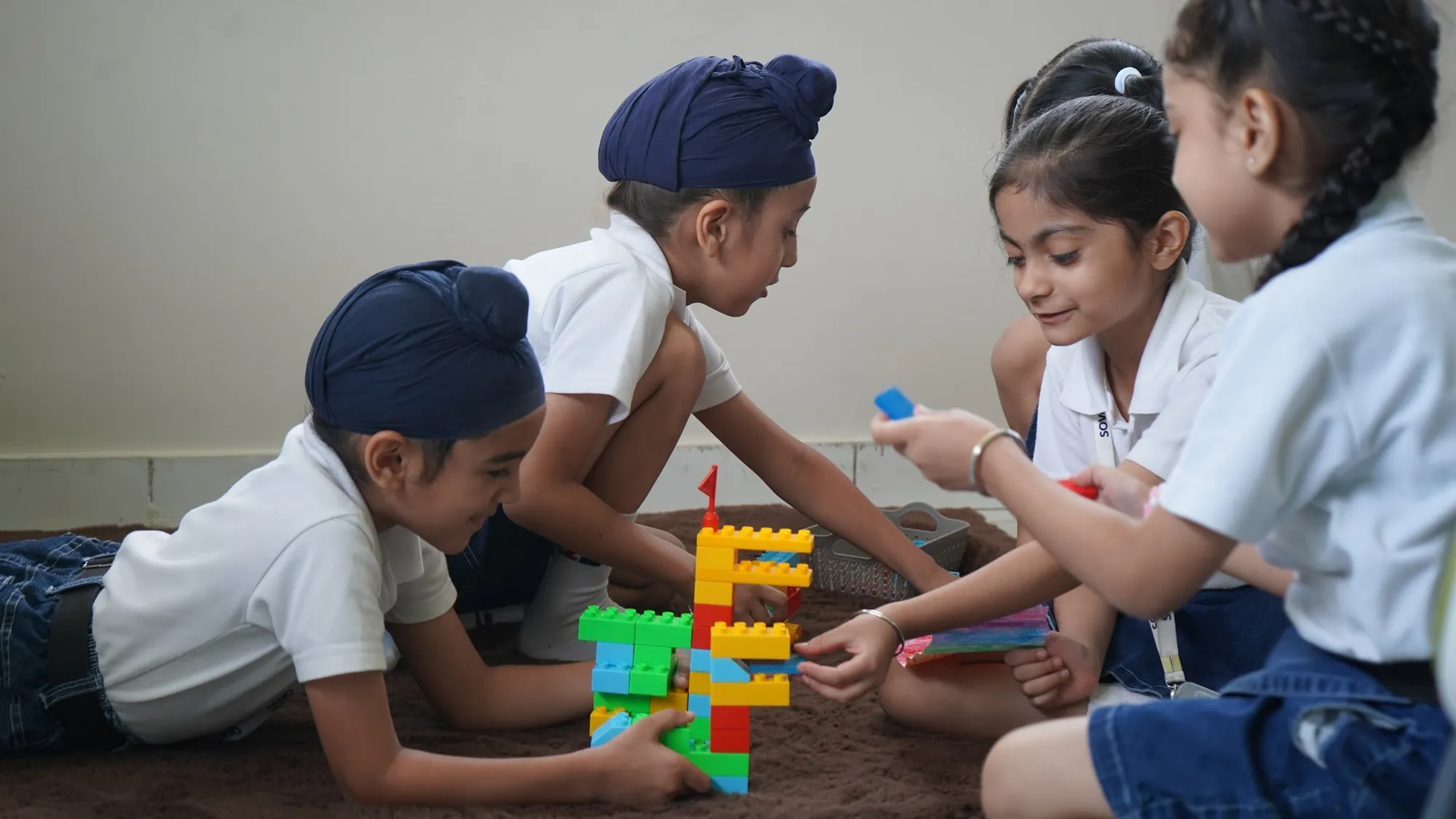
Students make, test, investigate and improve their ideas through hands-on experiences.

Students collect information, discuss ideas, create, present and explain their thinking.
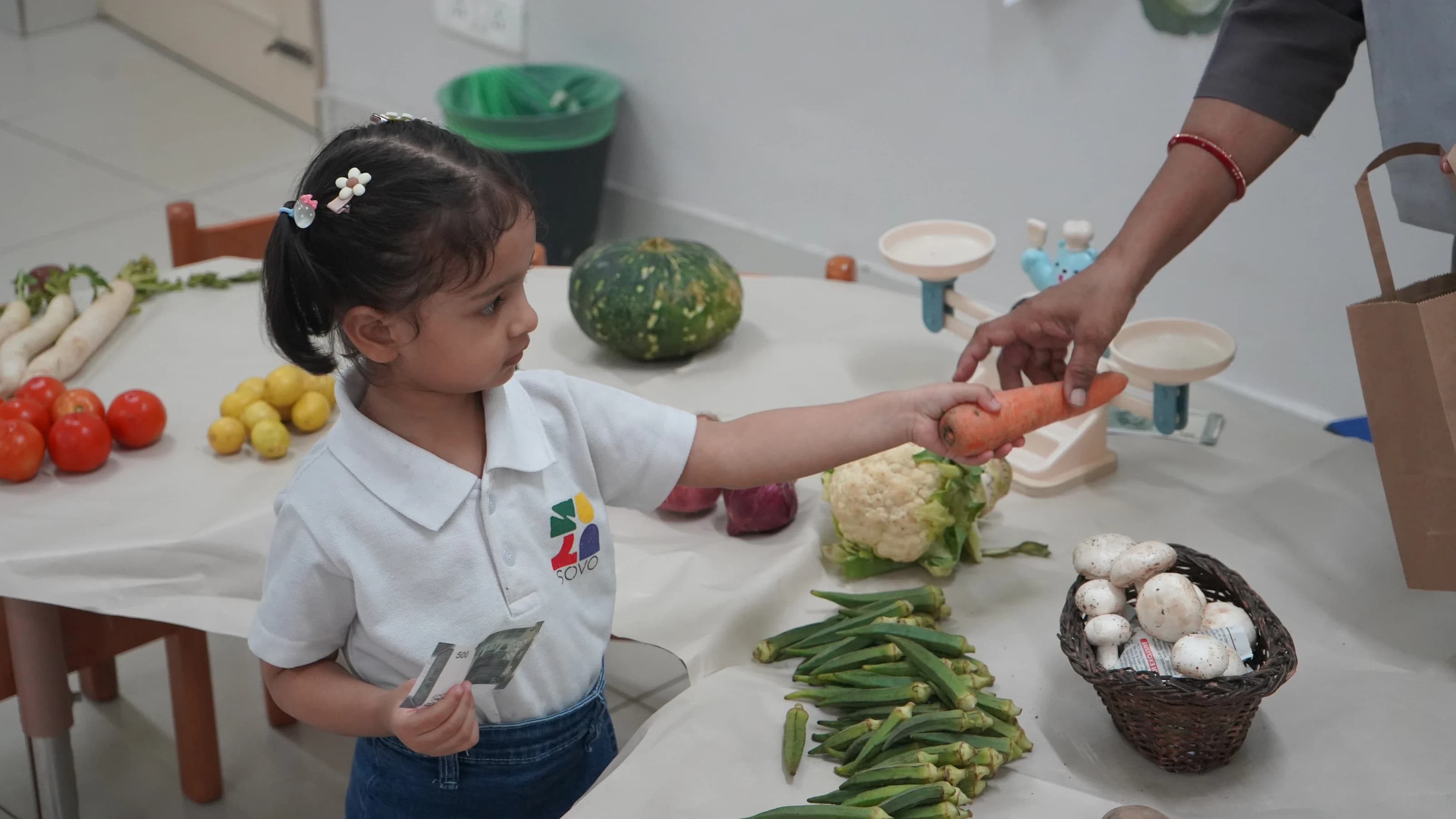
Learning moves beyond the classroom so children understand where ideas matter in the real world.
Children begin with questions, observations and ideas rather than simply being given answers.
Every unit our students explore sits within one of six big ideas that connect subjects, questions and real-world learning. These themes help children see how what they learn connects across the classroom and beyond it.

Identity, beliefs, and what shapes the choices we make.

Creativity, communication, and the senses.
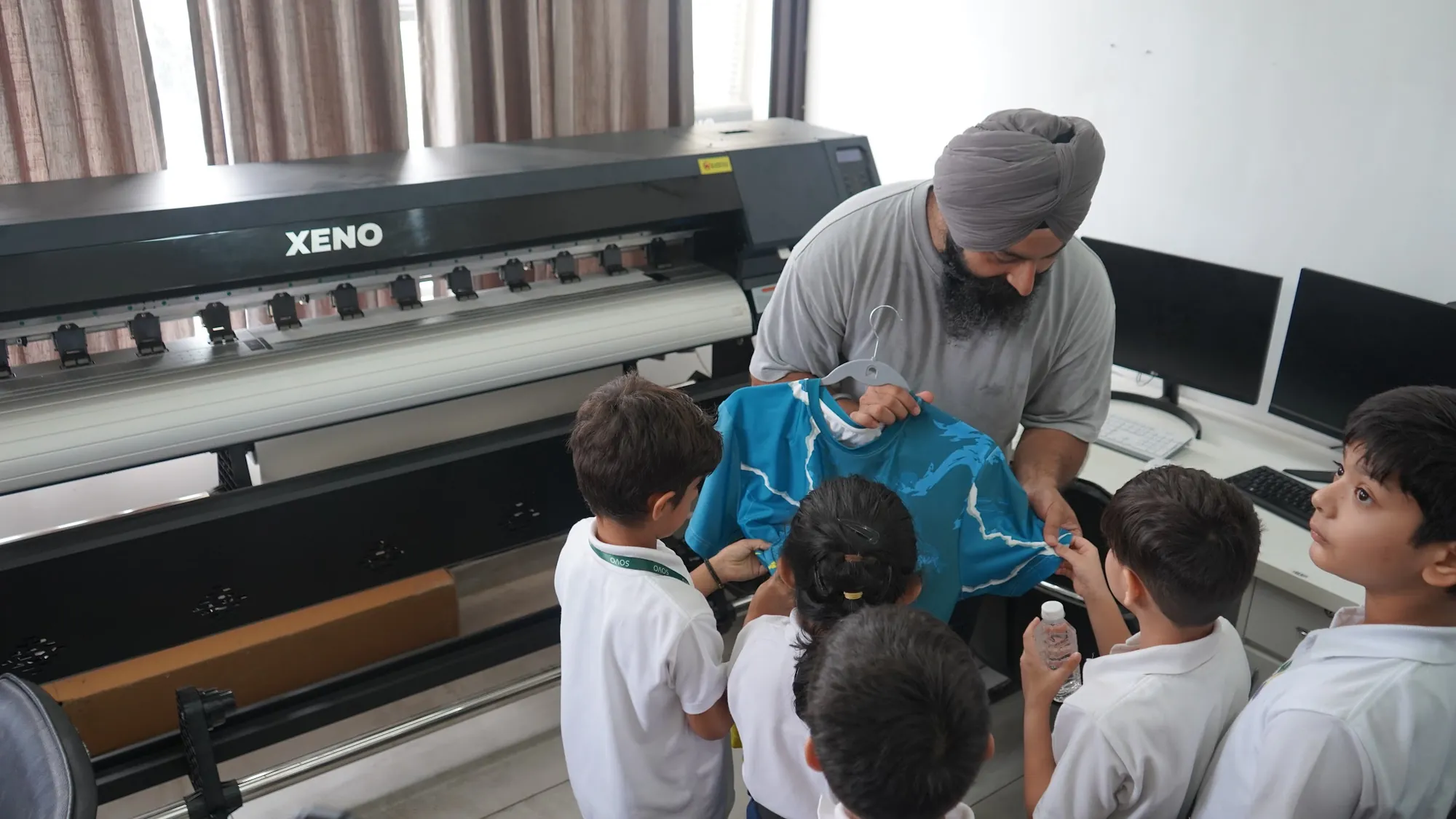
Science, systems, and cause and effect.

Community, responsibility, and connection.

History, geography, and journeys.

Sustainability, rights, and shared resources.
Identity, beliefs, and what shapes the choices we make.
Mohali: Playclass to Grade 5. Panchkula: Playclass to Grade 3. Every stage builds on the one before it, while the philosophy and Fifth Gear Friday stay constant.
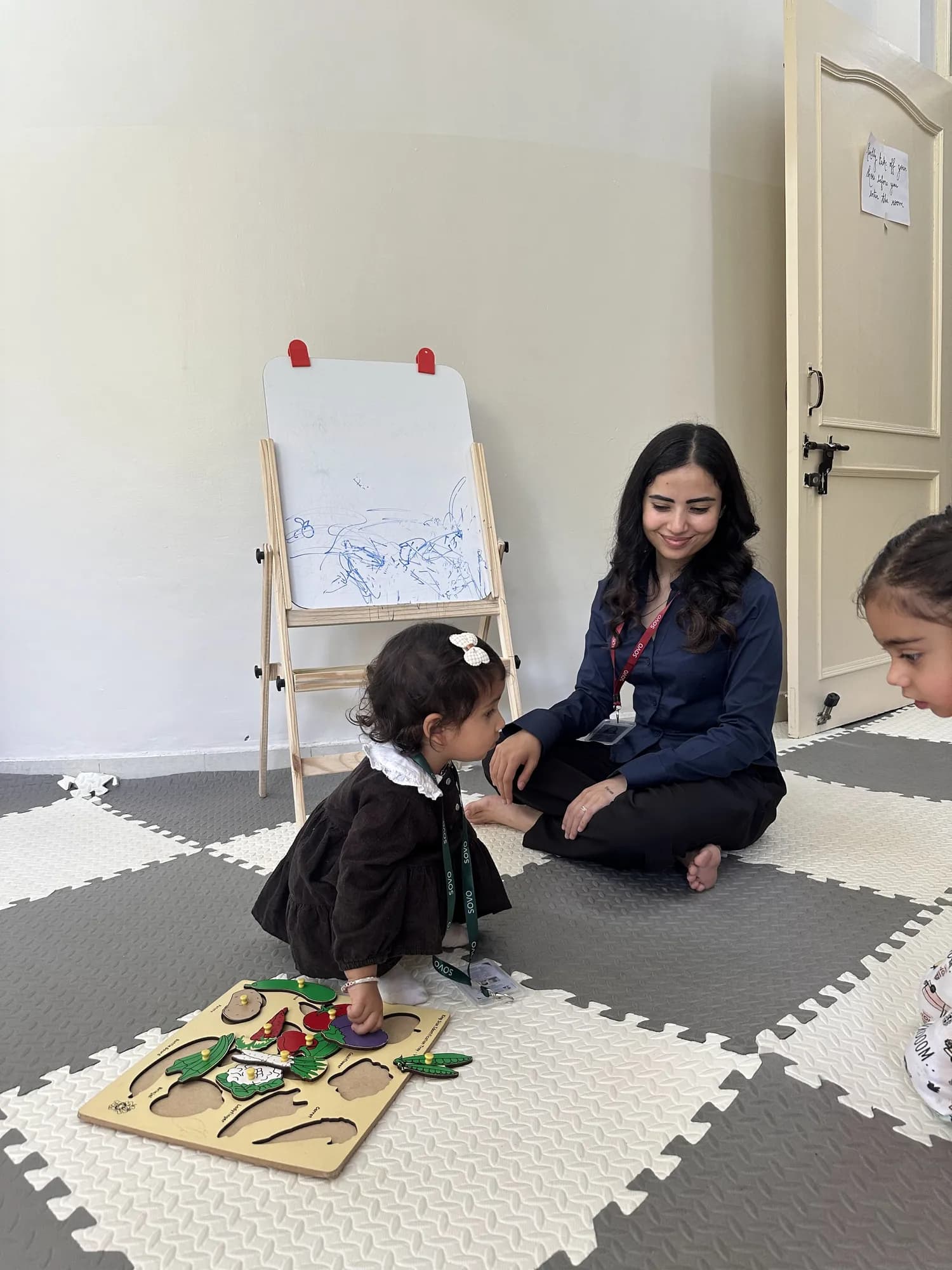
Age 2 · Early Years
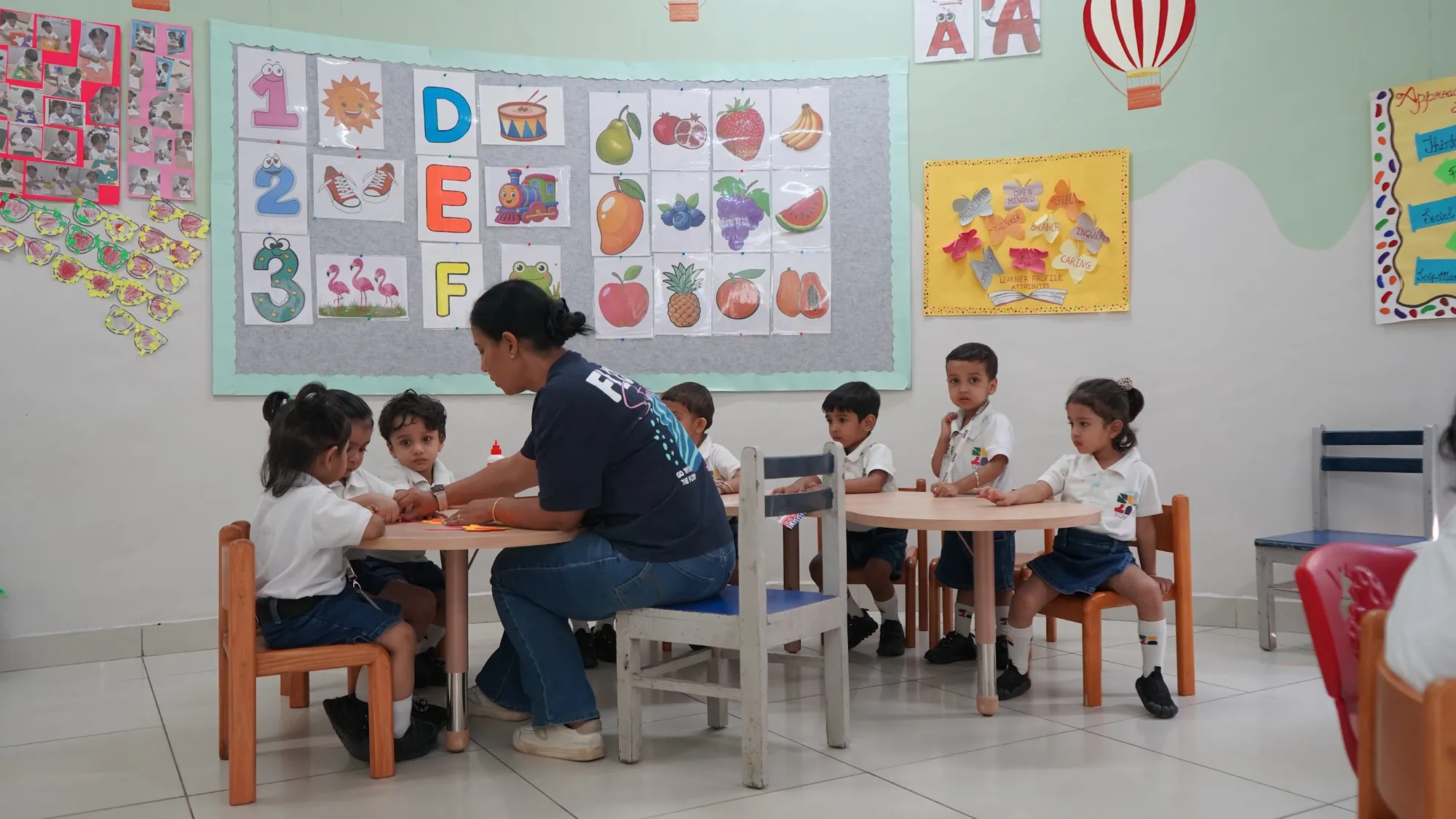
Learning starts with the self.
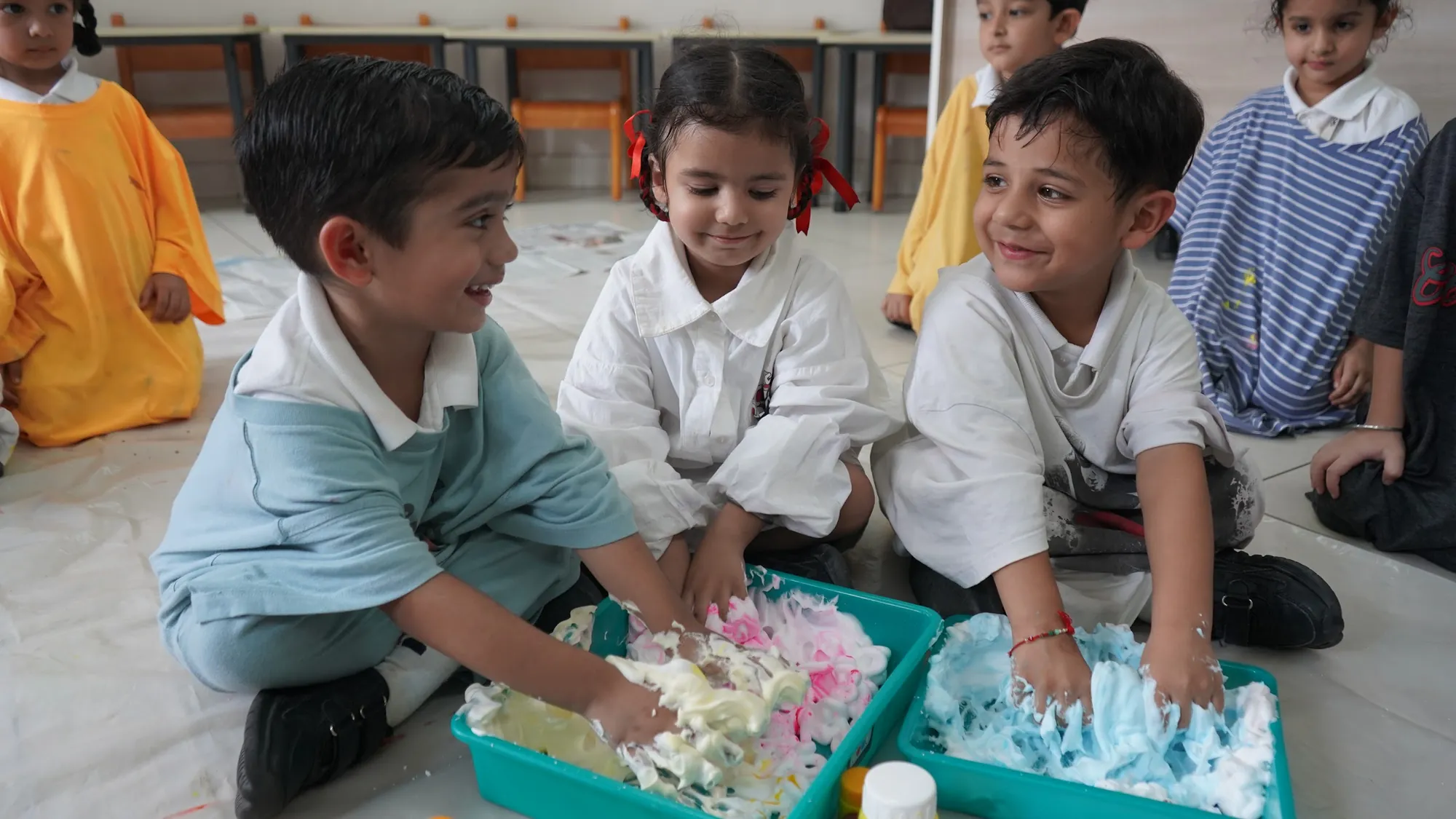
Learning through play, inspired by Japanese, Montessori and Nordic approaches.
IB PYP is our curriculum framework. The way we teach within it is shaped by three additional philosophies, each chosen deliberately for what it adds to a child’s learning experience.
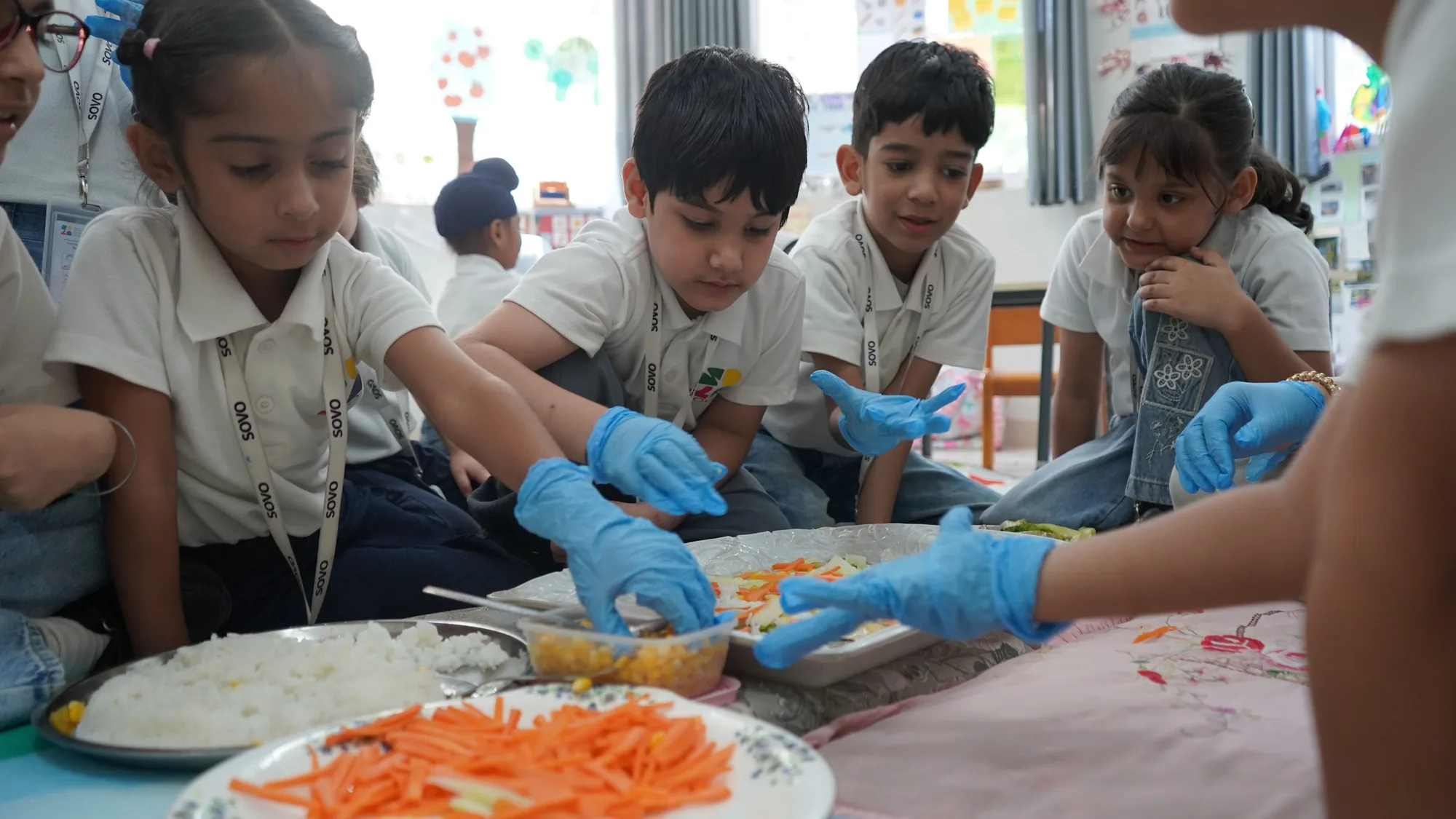
Children build independence through meaningful everyday tasks, learning responsibility, respect, mindfulness and community by actively contributing to their environment.
Independence · Responsibility · Community
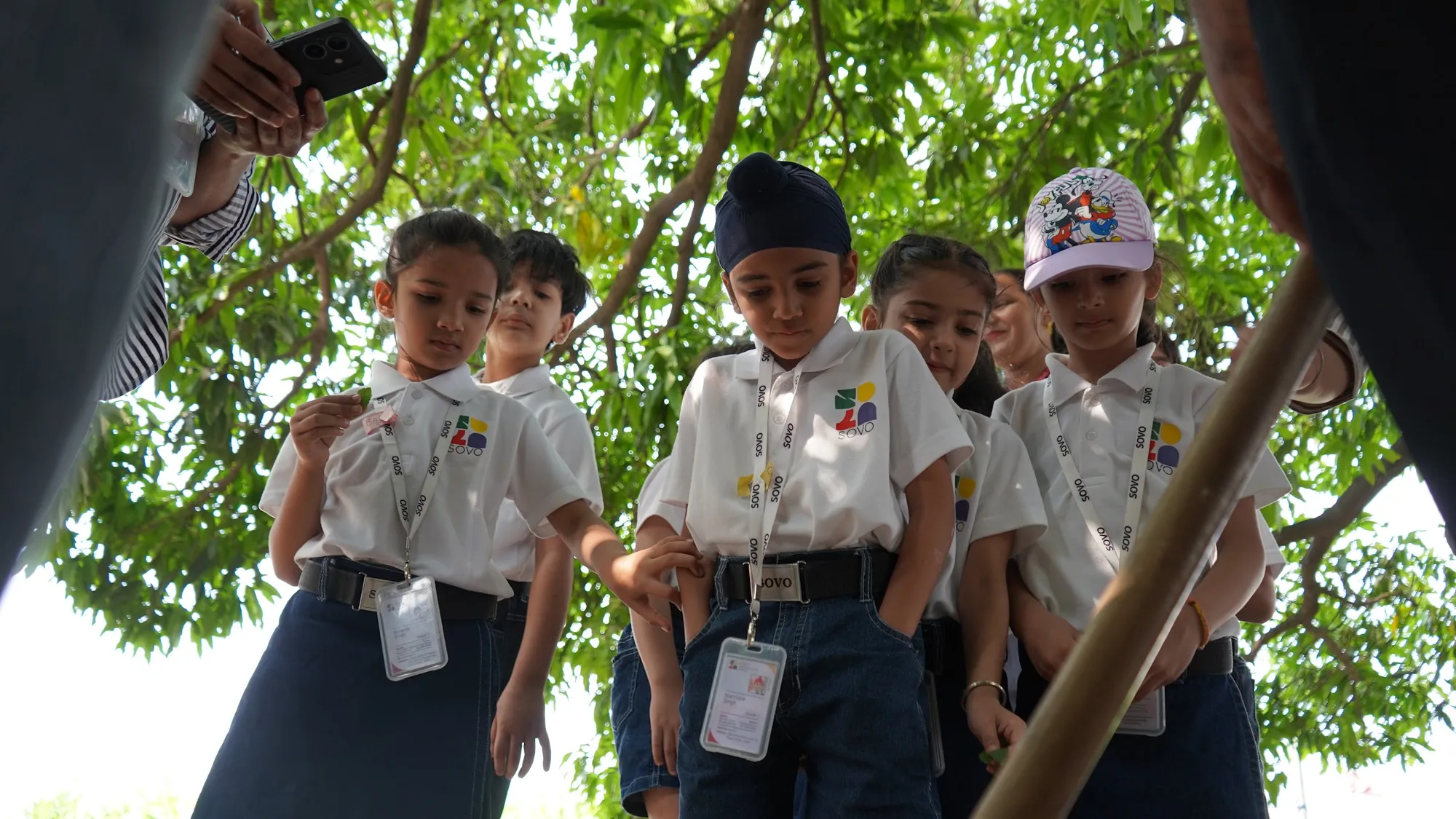
Play, movement and outdoor experiences help children build curiosity, resilience, creativity and emotional wellbeing by understanding the world through direct experience.
Play · Outdoors · Exploration
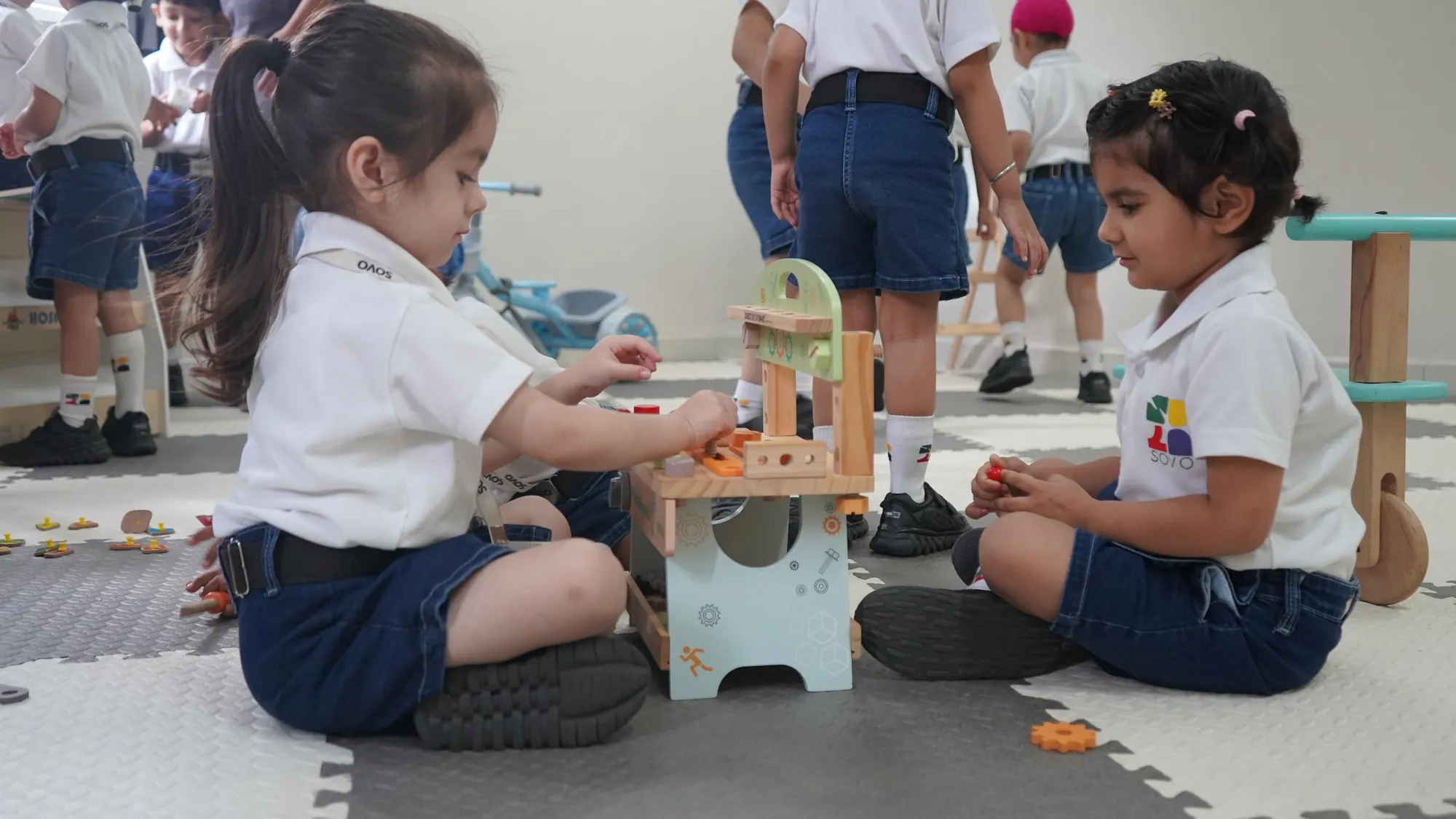
Purposeful environments and freedom within clear boundaries encourage children to make choices, solve problems and build confidence through independent action.
Choice · Independence · Ownership
Children build independence through meaningful everyday tasks, learning responsibility, respect, mindfulness and community by actively contributing to their environment.
Independence · Responsibility · Community
Across every subject and every Friday, we quietly build ten qualities into every child.
Monday to Thursday, students learn the ideas in the classroom. On Friday, they put that same learning into practice in the real world.
Monday
Learn
Where does our food come from?
Tuesday
Learn
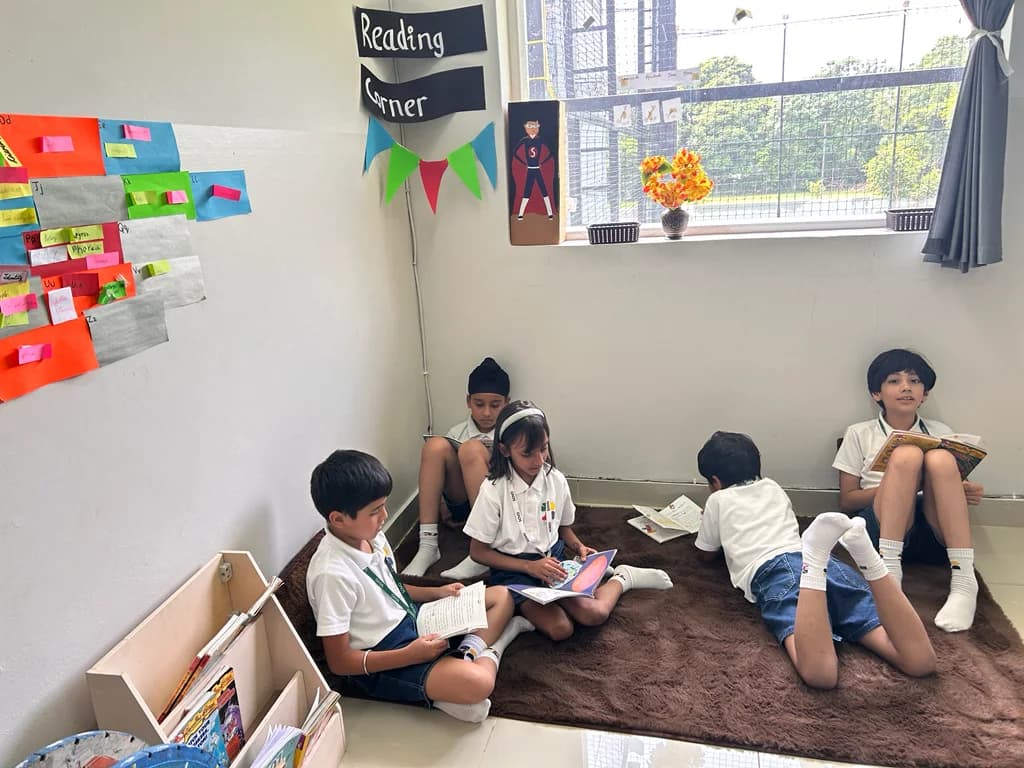
Reading about healthy food
Wednesday
Learn
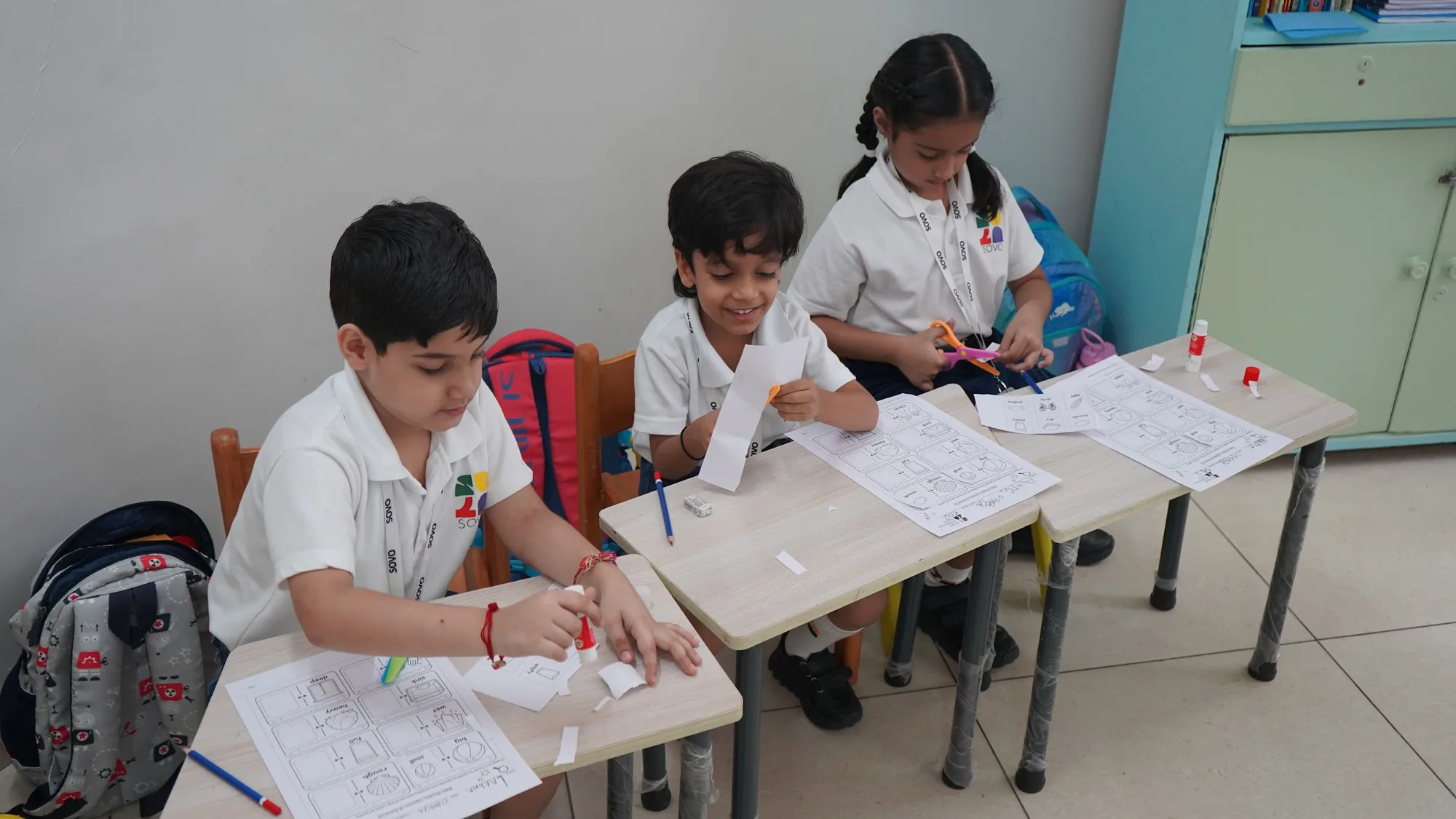
Counting and measuring
Thursday
Learn
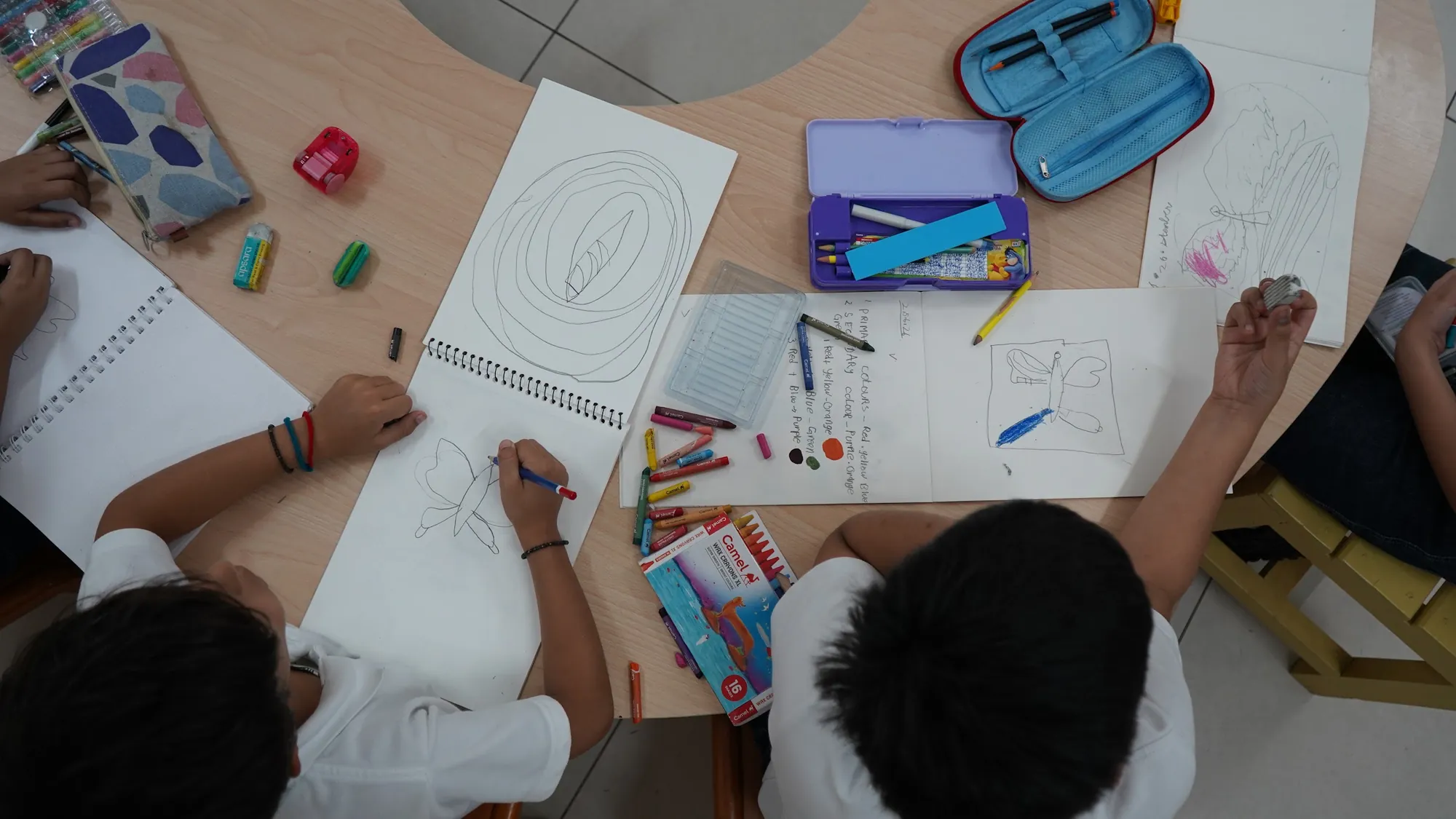
Planning our own recipe
Friday
Apply
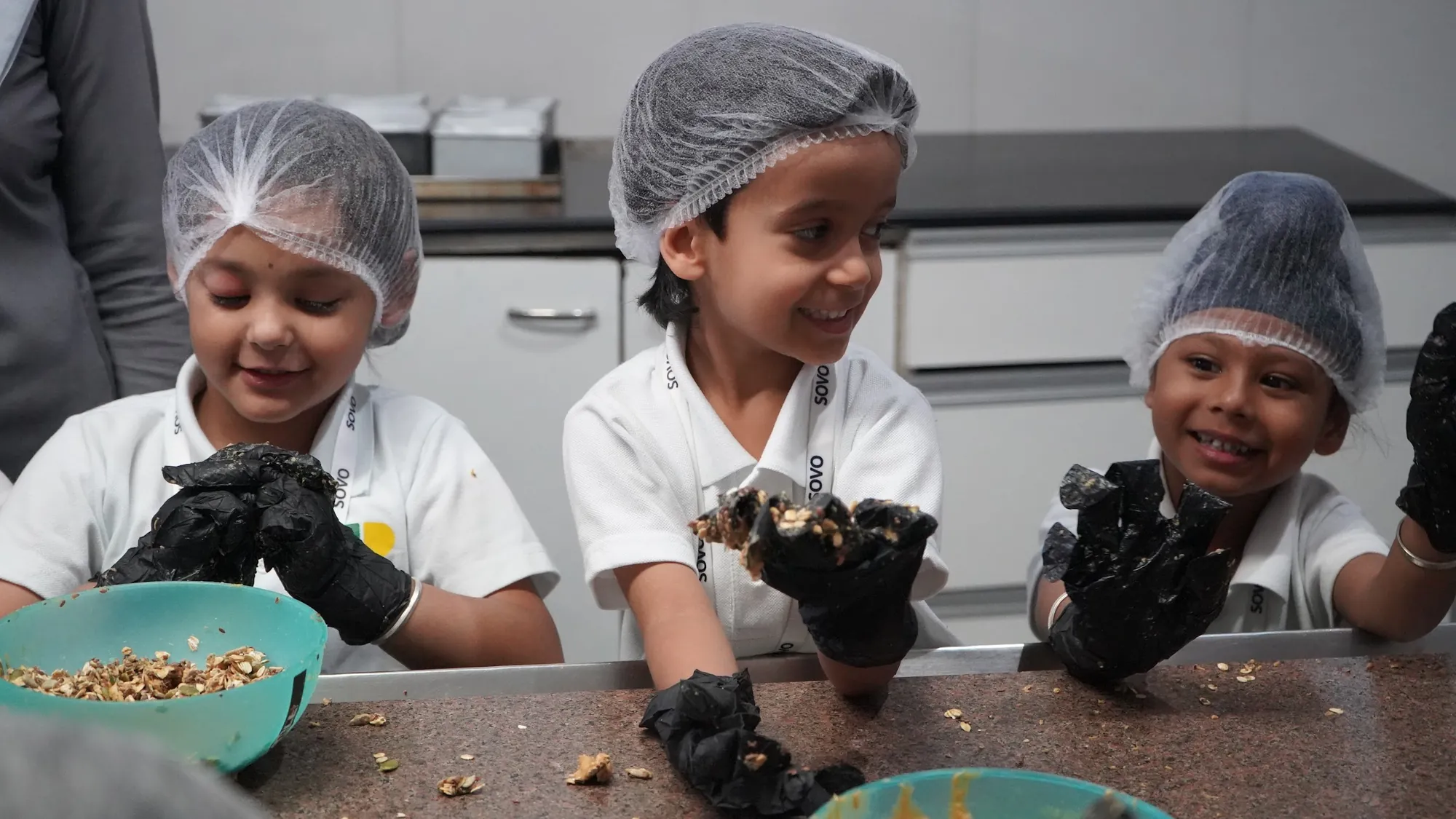
Fifth Gear Friday
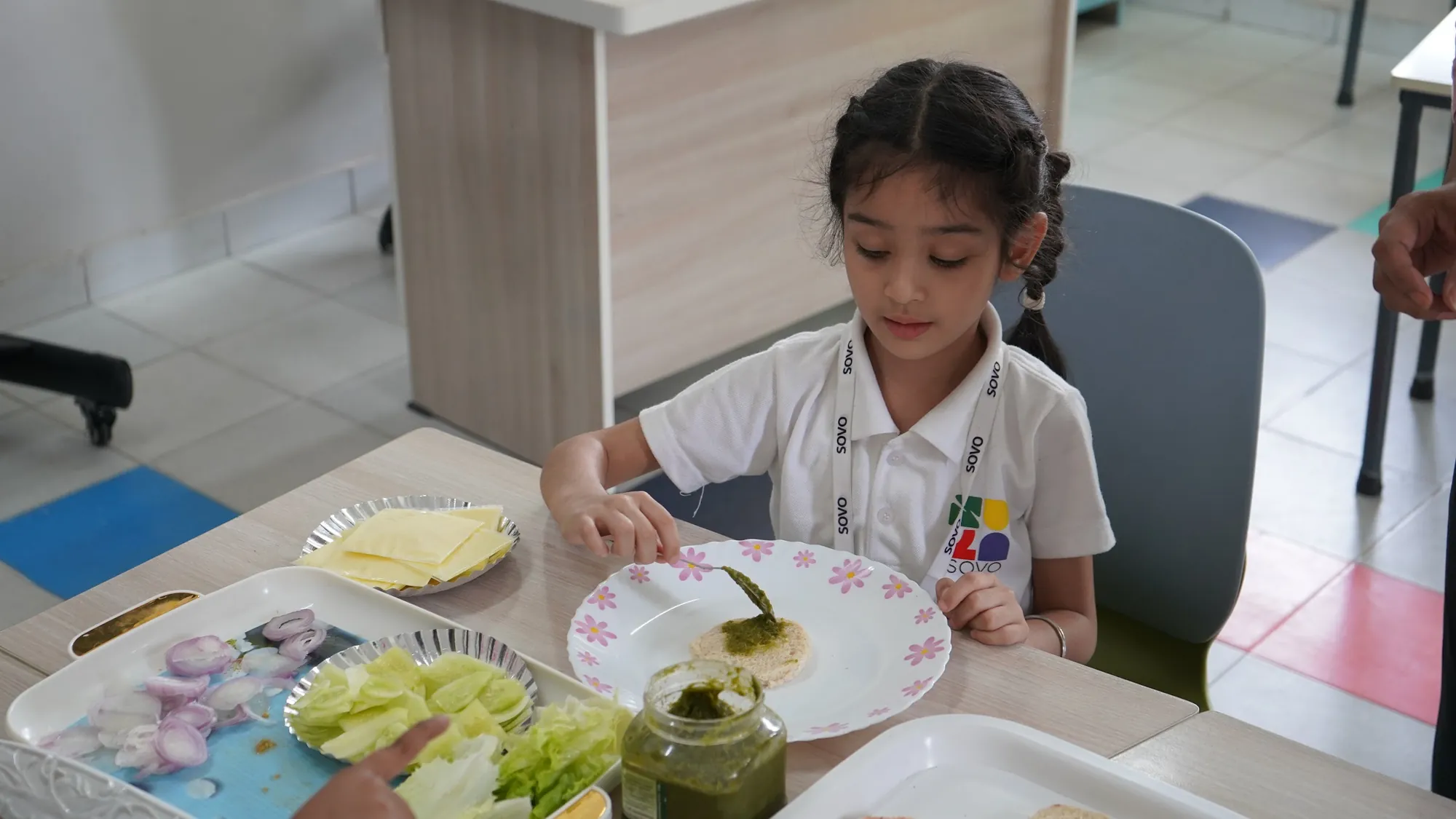
Making granola bars from scratch, inside a real bakery’s production kitchen.
Each subject is taught with the same inquiry-driven approach. A single inquiry pulls maths, language and science together, so children see how ideas actually relate.
Starting from Grade 1
Beyond the core curriculum, students choose from a wide range of enrichment classes. Students can switch enrichment classes, but only once every 6 months. Persistence and grit come from sticking with a choice.
Lawn Tennis · Skating · Football · Cricket · Table Tennis · Pickleball · Gymnastics
Every sport is coached by a specialist, accomplished players of that discipline.
Classical & Western Dance · Guitar · Keyboard · Theatre
Robotics · AI · Filmmaking & Photography · Visual Arts
Chess · Gardening · Fireless Cooking · Reading Club

Lawn Tennis · Skating · Football · Cricket · Table Tennis · Pickleball · Gymnastics
Every sport is coached by a specialist, accomplished players of that discipline.
Assessment at SOVO is continuous, not a single test at the end of a term.
Weekly feedback helps educators understand how each child is growing in real time.
Children explain what they have learned in their own words.
Regular feedback helps students understand their progress and what to work on next.
The best way to understand SOVO’s approach is to experience it.